Operational Challenges Facing Today's Ethanol Producers
The Challenge
Peak delivery windows can create truck backups, unloading delays, and operational strain across the facility.
Chief's Approach
High-throughput receiving layouts, multiple receiving lanes, and streamlined grain movement help facilities improve unload efficiency during peak harvest demand.
The Challenge
Storage limitations can affect inventory management, receiving flexibility, and long-term growth planning.
Chief's Approach
Commercial grain storage systems help facilities support capacity goals, inventory flexibility, and operational scalability.
The Challenge
Ethanol facilities operate continuously, placing sustained demand on storage, conveying, and handling systems.
Chief's Approach
Chief Agri helps facilities modernize grain infrastructure with durability, maintenance accessibility, and long-term operational performance in mind.
The Challenge
Additional handling steps can increase labor demands, maintenance exposure, and operational friction.
Chief's Approach
Integrated storage, conveying, and grain flow planning help facilities simplify movement throughout the operation.
The Challenge
Continuous operations place significant demands on grain handling and storage infrastructure.
Chief's Approach
Chief Agri systems are designed for high-capacity environments where uptime, durability, and maintenance-conscious design matter.
The Challenge
Long wait times during harvest can affect delivery flow and producer relationships.
Chief's Approach
Efficient receiving systems and improved unload design help facilities move trucks through more smoothly during peak delivery periods.
Receiving Bottlenecks
Peak delivery windows can create truck backups, unloading delays, and operational strain across the facility.
High-throughput receiving layouts, multiple receiving lanes, and streamlined grain movement help facilities improve unload efficiency during peak harvest demand.
Storage Limitations
Storage limitations can affect inventory management, receiving flexibility, and long-term growth planning.
Commercial grain storage systems help facilities support capacity goals, inventory flexibility, and operational scalability.
Aging Infrastructure
Ethanol facilities operate continuously, placing sustained demand on storage, conveying, and handling systems.
Chief Agri helps facilities modernize grain infrastructure with durability, maintenance accessibility, and long-term operational performance in mind.
Grain Flow Complexity
Additional handling steps can increase labor demands, maintenance exposure, and operational friction.
Integrated storage, conveying, and grain flow planning help facilities simplify movement throughout the operation.
24/7 Reliability
Continuous operations place significant demands on grain handling and storage infrastructure.
Chief Agri systems are designed for high-capacity environments where uptime, durability, and maintenance-conscious design matter.
Farmer Delivery Experience
Long wait times during harvest can affect delivery flow and producer relationships.
Efficient receiving systems and improved unload design help facilities move trucks through more smoothly during peak delivery periods.
Explore Five Key Operational Challenges Facing Today's Ethanol Facilities
Every ethanol facility faces operational challenges—from increasing receiving capacity and reducing maintenance to improving grain quality and planning for future growth.
To explore these topics, Mark Kjar, President/General Manager of Chief Agri, sits down with Wayne Garrett, General Manager of Chief Ethanol, to discuss the modernization of Chief Ethanol's Hastings, Nebraska facility. These conversations provide real-world insights into the decisions, challenges, and solutions involved in upgrading an ethanol operation.
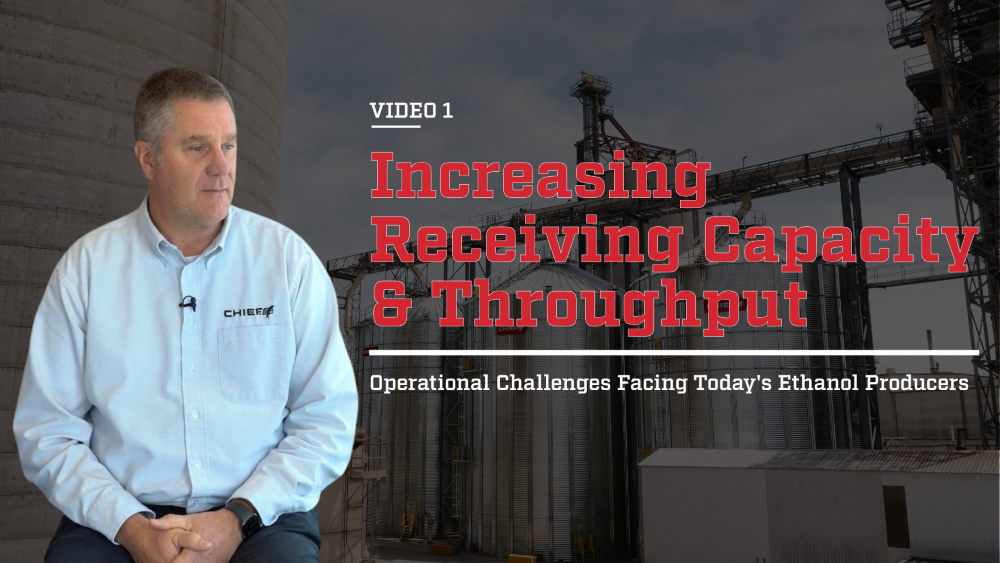
Increasing Receiving Capacity & Throughput
As ethanol production has increased over the years, many facilities are operating with grain receiving and storage systems that were designed for much lower production volumes. During peak harvest, this can lead to truck backups, longer unload times, and added pressure on plant operations.
In this discussion, Mark Kjar and Wayne Garrett explore how improving receiving efficiency, increasing storage capacity, and planning for future expansion can help support today's production demands while positioning facilities for long-term operational success.
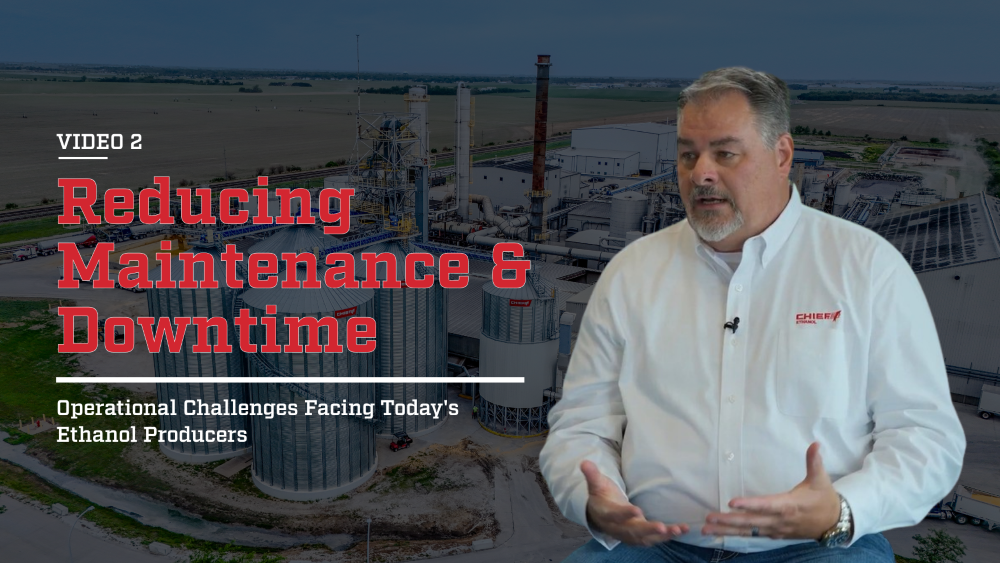
Reducing Maintenance & Downtime
Every additional transfer point, conveyor, and piece of equipment creates another opportunity for maintenance and unplanned downtime. As ethanol facilities grow and evolve, simplifying grain movement and designing for long-term reliability become critical to maintaining continuous 24/7 operations.
In this discussion, Mark Kjar and Wayne Garrett explore how reducing unnecessary grain movement, minimizing maintenance points, and designing systems for durability can help improve operational reliability while reducing maintenance demands.
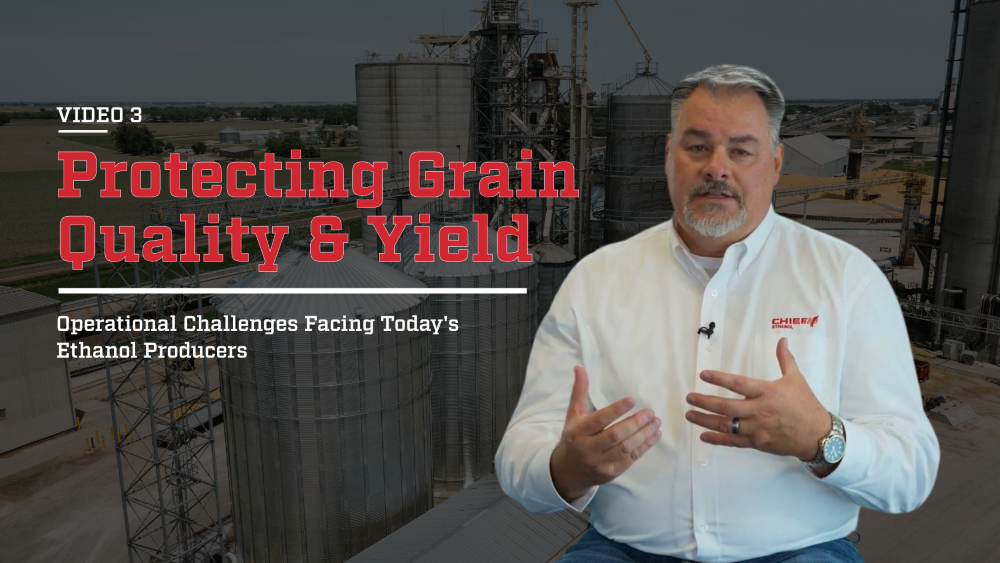
Protecting Grain Quality & Maximizing Ethanol Yield
Grain quality has a direct impact on ethanol production. From the moment corn is received until it's processed, minimizing grain movement, maintaining proper storage conditions, and monitoring grain quality all play an important role in maximizing yield and protecting the value of every bushel.
In this discussion, Mark Kjar and Wayne Garrett explore how proper grain storage, continuous monitoring, and automation technologies like RED Connect help preserve grain quality while supporting efficient ethanol production.
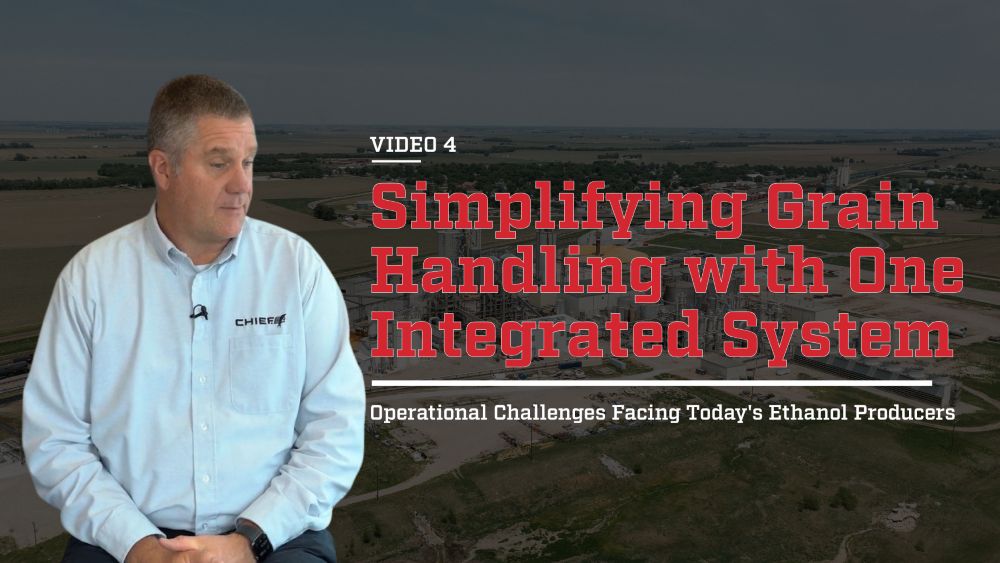
Simplifying Grain Handling with One Integrated System
Managing multiple suppliers across a grain storage and material handling project can add unnecessary complexity to installation, maintenance, and long-term support. A fully integrated system helps simplify the process while supporting more efficient plant operations.
In this discussion, Mark Kjar and Wayne Garrett explore the benefits of working with one partner for grain receiving, storage, material handling, and structural systems. Their conversation highlights the value of designing a complete system that supports the operation from receiving through processing.
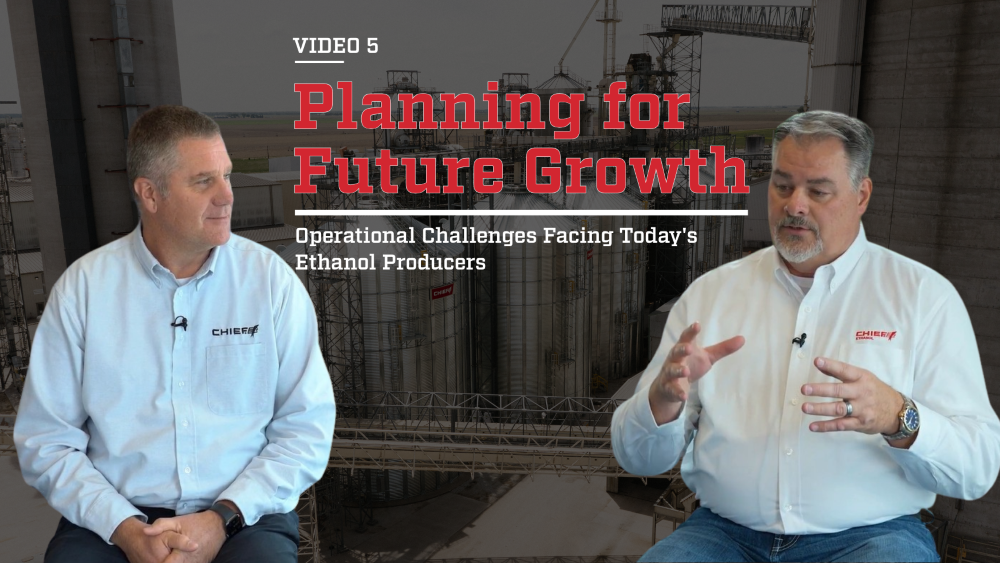
Planning for Future Growth
As ethanol production continues to grow, facilities need more than solutions for today's operational demands—they need systems designed to support tomorrow's expansion. Planning for future growth during the initial project can help reduce future costs while creating a more efficient operation.
In this discussion, Mark Kjar and Wayne Garrett explore why planning for future expansion is an important part of every project. They discuss designing grain storage and material handling systems that can grow with production demands while supporting long-term operational performance.
FEATURED IN ETHANOL PRODUCER MAGAZINE
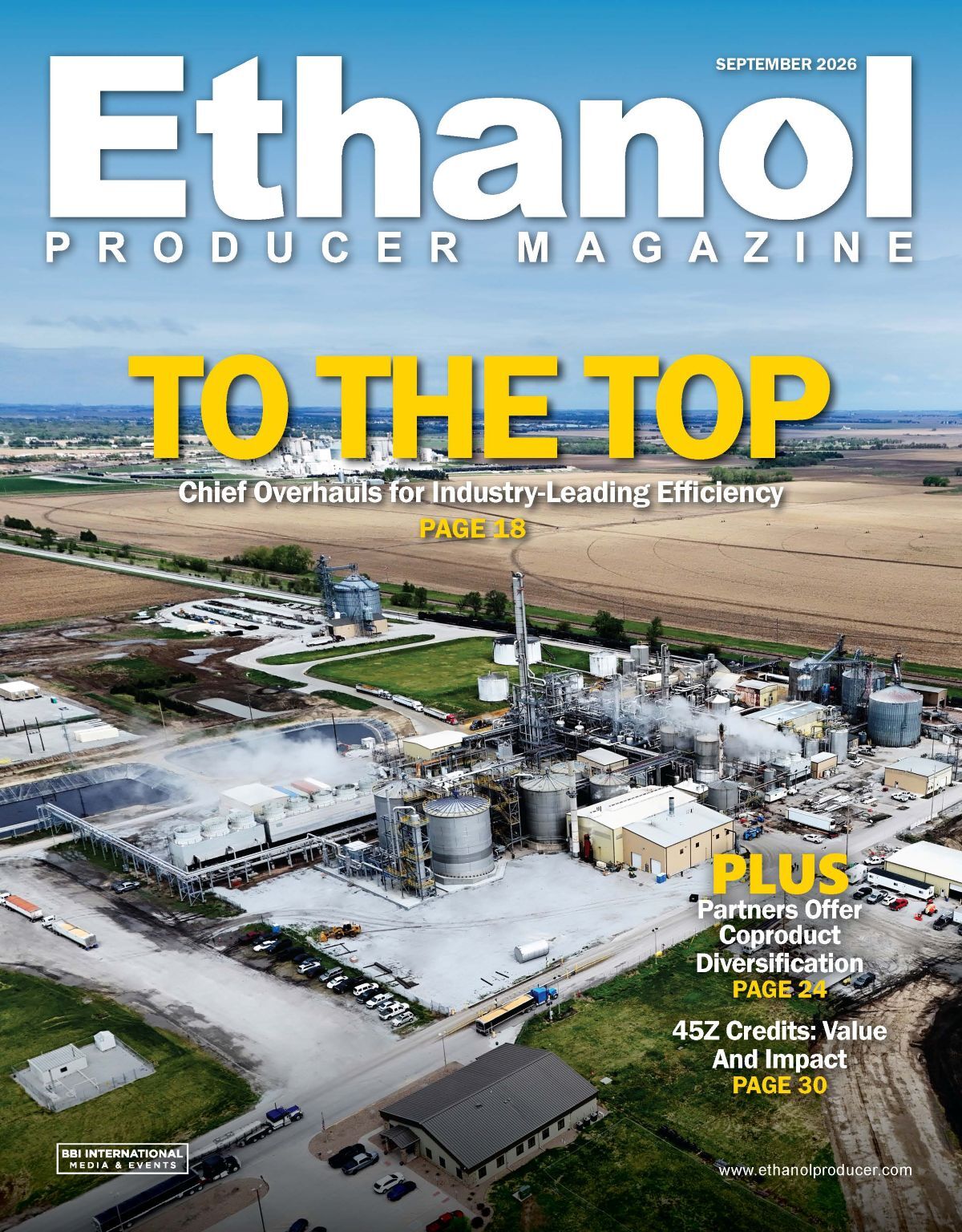
Commitment, Collaboration, Community
Chief Ethanol's 42-year-old Hastings, Nebraska facility is undergoing a major transformation designed to move one of the industry's longest-running ethanol plants toward industry-leading efficiency.
In the September 2026 issue, Ethanol Producer Magazine takes readers inside the modernization underway at Chief Ethanol and explores the vision, collaboration, and investment shaping the facility's future.
Frequently Asked Questions
Common Questions About Grain Storage & Material Handling for Ethanol Producers
Every ethanol facility is unique, but many of the operational challenges are the same. Below are answers to some of the most common questions we hear from ethanol producers as they evaluate storage capacity, grain handling systems, and future expansion opportunities.
How do I know if my grain receiving system is keeping up with today's production demands?
Many ethanol facilities were designed for production levels that are significantly lower than today's requirements. If you're experiencing truck backups during harvest, longer unload times, or receiving bottlenecks, it may be time to evaluate your grain receiving system. Modern receiving layouts can improve throughput while reducing operational strain during peak delivery periods.
Can we expand our storage capacity without replacing our entire system?
In many cases, yes. Expansion opportunities depend on your current facility layout and long-term goals. Planning for future growth during an expansion project can often reduce costs and make future additions much easier.
How can grain handling system design reduce maintenance and downtime?
Every transfer point and moving component creates another maintenance requirement. Simplifying grain movement and designing efficient layouts can reduce wear points, improve serviceability, and help support reliable 24/7 operation.
Why is grain quality so important for ethanol production?
Grain quality directly impacts ethanol yield. Proper storage, minimizing unnecessary grain movement, and monitoring grain condition all help preserve grain quality from receiving through processing.
What is RED Connect?
RED Connect is Chief Agri's intelligent grain monitoring platform that helps facilities monitor grain condition and automate grain conditioning. Features such as CO₂ monitoring provide earlier detection of grain condition changes, helping facilities protect grain quality and optimize storage performance.
Why should future expansion be considered during today's project?
Planning for future expansion during an initial project can reduce future construction costs, minimize operational disruptions, and provide greater flexibility as production demands continue to increase.
Does Chief Agri provide complete grain storage and material handling systems?
Yes. Chief Agri provides integrated grain storage and material handling solutions, including grain receiving equipment, conveyors, bucket elevators, storage bins, hopper tanks, catwalks, towers, aeration systems, and structural support systems designed to work together as one complete solution.
How early should we begin planning a modernization or expansion project?
The earlier, the better. Early planning provides more flexibility when evaluating layouts, equipment sizing, future expansion opportunities, and project budgeting. Even if a project is several years away, starting the conversation early can help facilities make more informed long-term decisions.
Continue the Conversation
Whether your facility is evaluating receiving capacity, planning for future growth, or simply exploring modernization approaches, our team is here to discuss the operational considerations unique to your facility.
Product Resources
The discussions throughout this series reference a variety of grain storage and material handling solutions designed to help ethanol producers improve operational performance. Explore the resources below to learn more about the products and systems discussed.
%20Flipbook.jpg?width=200&height=283&name=The%20Ultimate%20Field%20Guide%20(1.9.2026)%20Flipbook.jpg "The Ultimate Field Guide (1.9.2026) Flipbook")
The Ultimate Field Guide
Explore Chief Agri's complete line of grain storage, grain handling, aeration, structural systems, catwalks, towers, and hopper storage solutions. The Ultimate Field Guide provides an overview of the products and integrated systems designed to support today's ethanol facilities.
Lemanco Modular Bin System
Learn more about the Lemanco Modular Bin System—a modular hopper storage solution designed for high-capacity grain handling applications. As discussed in the video series, Lemanco is one of the integrated storage solutions Chief Agri offers to help simplify grain handling systems while supporting long-term operational performance.